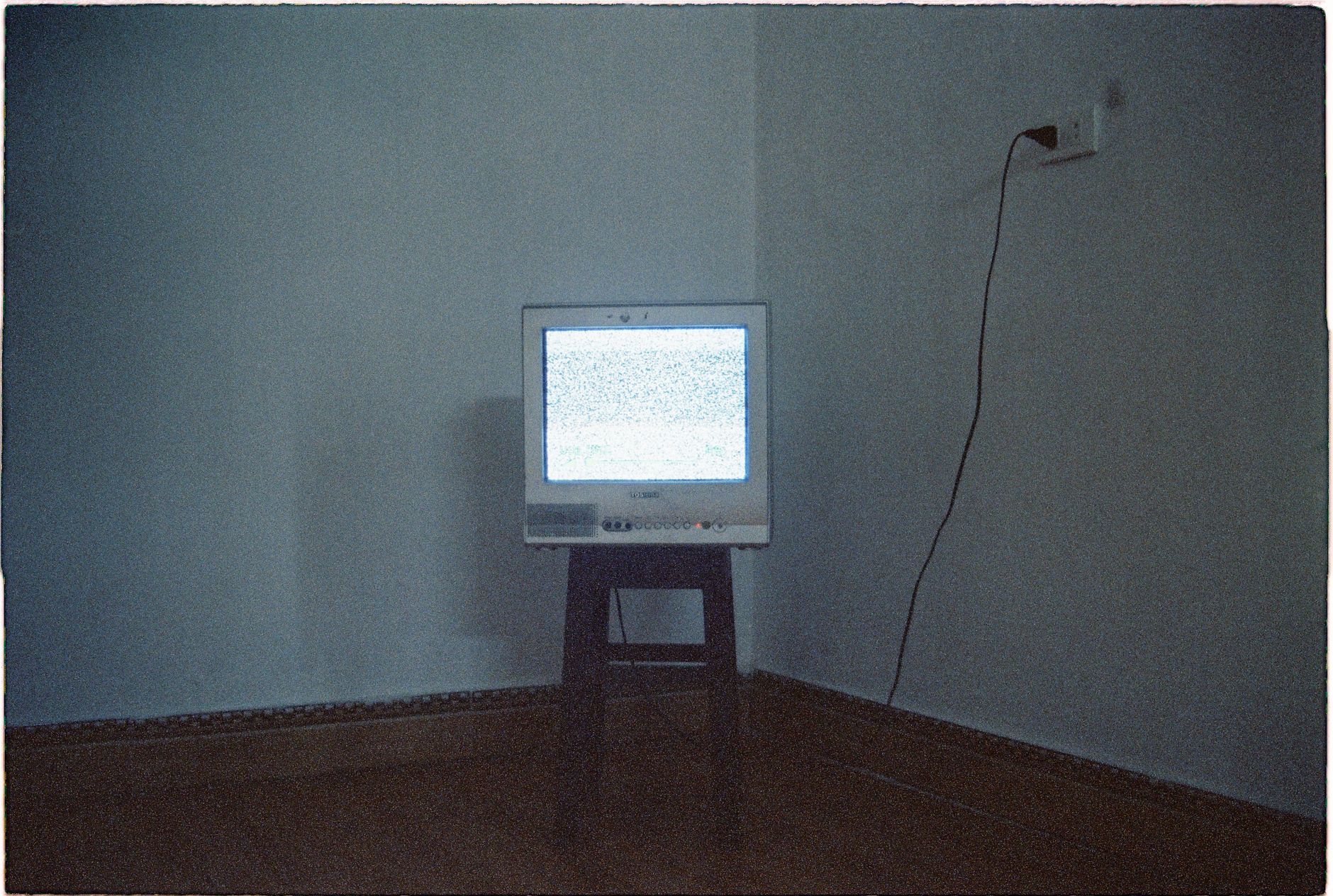
Brain rot describes the dulled, slightly hollow state that follows a long stretch of scrolling low-effort content, and, by extension, the content itself. Someone who says "this is brain rot" means the video is designed to be watched without thinking. Someone who says "I have brain rot" means they have been doing that for two hours and can feel it.
It is a description of a feeling, and an accurate one. It is not a medical claim, and treating it as one is where most of the confusion starts.
The feeling, and what produces it
The state people are naming is real and fairly specific: a flatness afterwards, difficulty settling into anything longer, a sense of time having passed without anything being deposited. Most people recognise it immediately, which is why the phrase spread so quickly.
What produces it is a particular kind of content. Short, loud, endlessly available, engineered so that each item ends just as the next begins. Nothing requires holding a thought across more than a few seconds. A great deal of it is now machine-generated filler, because a language model can produce plausible-sounding content faster than anyone can watch it, and the feed does not distinguish.
The word is a lot older than the feed
Thoreau used it in Walden in 1854, complaining that society worked hard on potato rot while ignoring "the brain-rot, which prevails so much more widely and fatally". He meant the same thing: an appetite for the trivial, and a public happy to feed it.
The phrase resurfaced online in the 2000s among people describing themselves as terminally online, and then broke out fully around 2023 and 2024 as short-form video became the default. Oxford named it word of the year for 2024, which is usually the moment a term stops being current.
Is your brain actually rotting
No. Nothing is decaying, and there is no condition called brain rot.
What the evidence does support is narrower and less dramatic. Heavy media multitasking is associated with worse performance on tasks requiring sustained attention. Rapid task-switching carries a real cost each time you switch. Late-night screen use disrupts sleep, and disrupted sleep degrades concentration, mood and memory the following day, which accounts for a good share of what people attribute directly to the scrolling.
Almost all of this is correlational. People who feel scattered may scroll more, rather than the other way round, and disentangling the two is genuinely hard. What can be said confidently is that spending four hours on something shallow means four hours not spent on something else, and that the opportunity cost does not require a neurological mechanism to matter.
Brain rot accurately names a feeling and does not describe a condition. The honest version is: this content is engineered to be effortless, and effortlessness at that volume leaves nothing behind.
Why the feed is built this way
Not carelessness. The systems choosing what you see next are optimised for time spent, because time spent is what the business is paid for. A recommendation system is an algorithm pointed at a target, and this one is pointed at your continued attention rather than your satisfaction afterwards.
Nothing about that is hidden, and it becomes obvious once you know where the money in a free app comes from. The product is not the videos. The product is the attention the videos hold, sold by the impression.
The vocabulary that travels with it
Brain rot arrived with a cluster of related terms. Doomscrolling, compulsively reading bad news. Slop, machine-generated filler. Skibidi and similar words, which mean nothing in particular and function mainly as markers of being extremely online, in the way IYKYK marks being in on something.
What to do about it
The useful framing is not that the content is damaging you but that the scroll is doing a job. Usually it is mood repair: it is reliably available, it asks nothing, and it postpones whatever you were avoiding. That is the same machinery behind ordinary procrastination, and it responds to the same approach.
What tends to help is reducing the friction of the alternative rather than adding friction to the scroll. Something specific to switch to. Sleep protected from the phone, since so much of the felt effect is really tiredness. And noticing, without self-recrimination, what feeling you were about to have when you reached for it.
The short answer
Brain rot is slang for the flatness that follows too much frictionless content, and for the content itself. It names something real. It is not a diagnosis, your brain is fine, and the thing worth examining is not the damage but the hours.