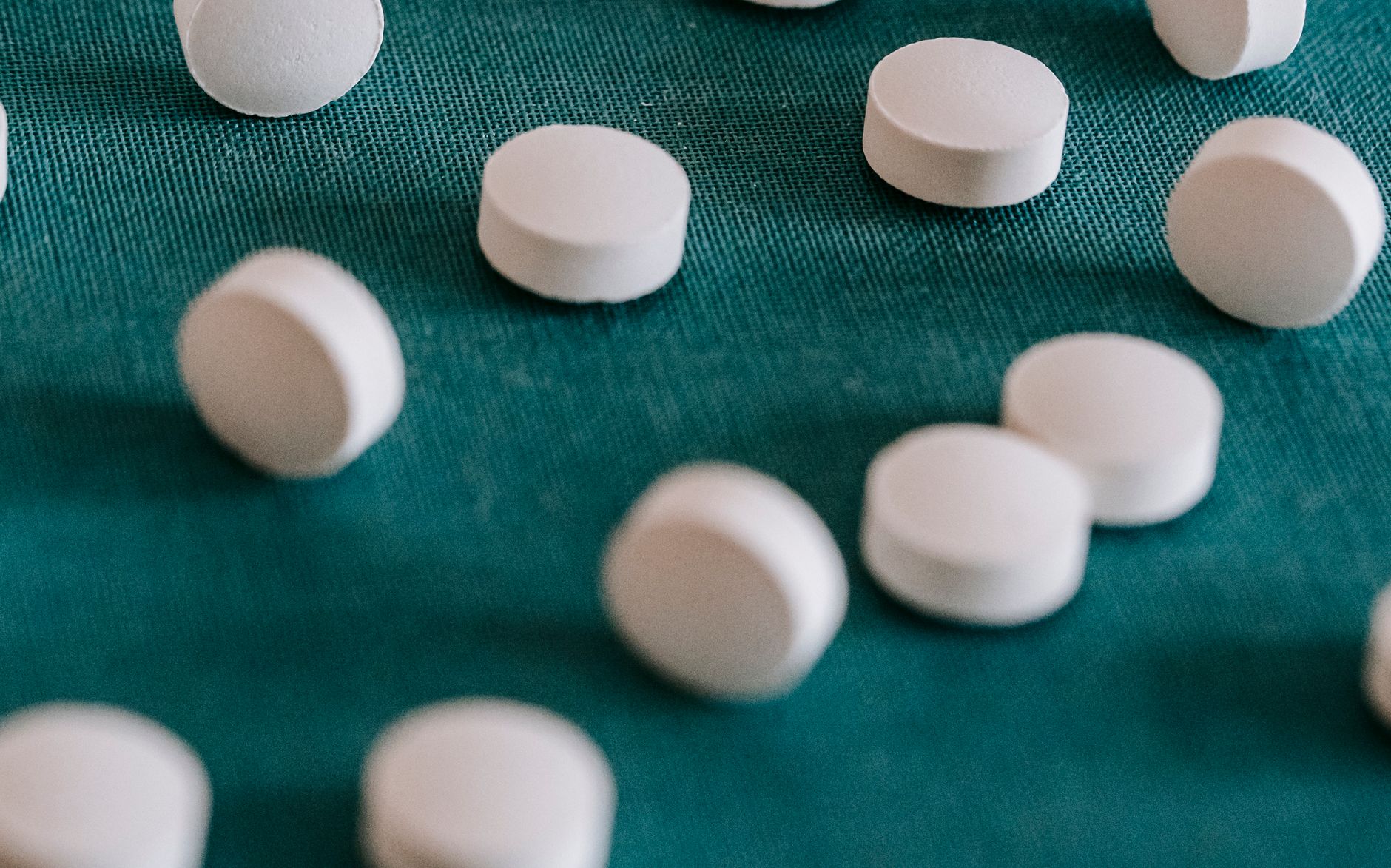
A placebo is a treatment with no active ingredient: a sugar pill, a saline injection, a sham procedure. The placebo effect is the measurable improvement some people experience from receiving one.
It is not people imagining they feel better, and it is not politeness in a questionnaire. Expectation changes what the nervous system does, and the changes are detectable with instruments that do not care what anyone believes.
What actually happens
Several mechanisms, and they are separable.
The brain releases its own chemicals. Placebo pain relief involves the release of endogenous opioids. This is demonstrable: give someone a drug that blocks opioid receptors, and the placebo analgesia largely disappears. A purely imagined effect would not be abolished by a pharmacological blocker.
Expectation alters perception. Pain is not a raw signal delivered from the injury to consciousness. It is constructed, with the brain weighting incoming signals against context and anticipation. Change the anticipation and the constructed experience changes with it.
Conditioning. If a substance has repeatedly produced an effect, the associated cues alone can begin to produce a version of it, in the same way a bell can produce salivation.
The encounter itself. Attention, examination and a plausible explanation reduce anxiety, and anxiety amplifies symptoms. Some of what gets counted as placebo is the consultation working.
What it can and cannot do
This is the distinction that matters, and it is frequently blurred in both directions.
| Responds well to placebo | Does not |
|---|---|
| Pain | Tumour size |
| Nausea | Bacterial infection |
| Fatigue | Blood glucose in diabetes |
| Anxiety and low mood | Broken bones |
| Some Parkinson's symptoms | Cholesterol |
| Irritable bowel symptoms | Viral load |
The pattern is clear once you see it. Placebo acts strongly on experienced symptoms, and it does not act on the underlying disease process. A placebo can make cancer pain more bearable. It cannot shrink the tumour.
Feeling better and being better are different things, and the placebo effect is very good at the first while doing nothing about the second. That distinction is why it is dangerous as a substitute for treatment and useful alongside one.
The nocebo effect
The same mechanism in reverse. Tell people a treatment may cause headaches, and a proportion will report headaches, including in the group receiving nothing at all.
This has practical consequences. A meaningful share of reported side effects in drug trials appears in the placebo arm, which is exactly why the arm exists: without it there is no way to tell a real adverse effect from an expected one. The same accounting applies to vaccine trials, where some of what is attributed to the injection turns out to occur equally in people who received saline.
It is also why the wording of a warning matters. Information about risks is necessary, and how it is framed measurably changes how many people experience the risk.
Placebos that work while you know
The strangest finding in the field. Open-label placebo trials, in which patients are told plainly that they are receiving an inert pill and that inert pills have been shown to help some conditions, have found benefits in irritable bowel syndrome, chronic low back pain and cancer-related fatigue.
This should not work under the simple deception model, and it is one reason the field has moved towards seeing ritual, expectation and context as the active components rather than the belief in a specific substance. The findings are real, from randomised trials, and the effect sizes are moderate rather than dramatic.
Why trials need a placebo group
Because most conditions improve on their own, and because people enter a trial at their worst.
Symptoms fluctuate. You seek treatment during a bad patch. The bad patch ends, as bad patches do, and whatever you took last gets the credit. This is called regression to the mean, and without a control group there is no way to separate it from the treatment.
Hence the design: two groups, one drug, one placebo, neither the patient nor the assessor knowing which. Anything the drug does beyond the placebo group is the drug's own contribution. Everything else was going to happen anyway.
Expectation is not only a medical phenomenon
The underlying fact, that what you anticipate shapes what you perceive, is not special to pills. It is ordinary perception working as designed.
That is also what makes it exploitable. Someone repeatedly told they are unreliable will begin to perceive their own hesitation as evidence of it, which is the machinery that gaslighting operates on. And it is why a remembered experience, including a remembered dream, is shaped as much by what you expected to find as by what was there.
The short answer
The placebo effect is real, measurable, and produced by expectation and context rather than by any ingredient. It changes how a person experiences a symptom, sometimes substantially. It does not change the disease. Both halves of that sentence matter.
This is general information about a research phenomenon, not medical advice.