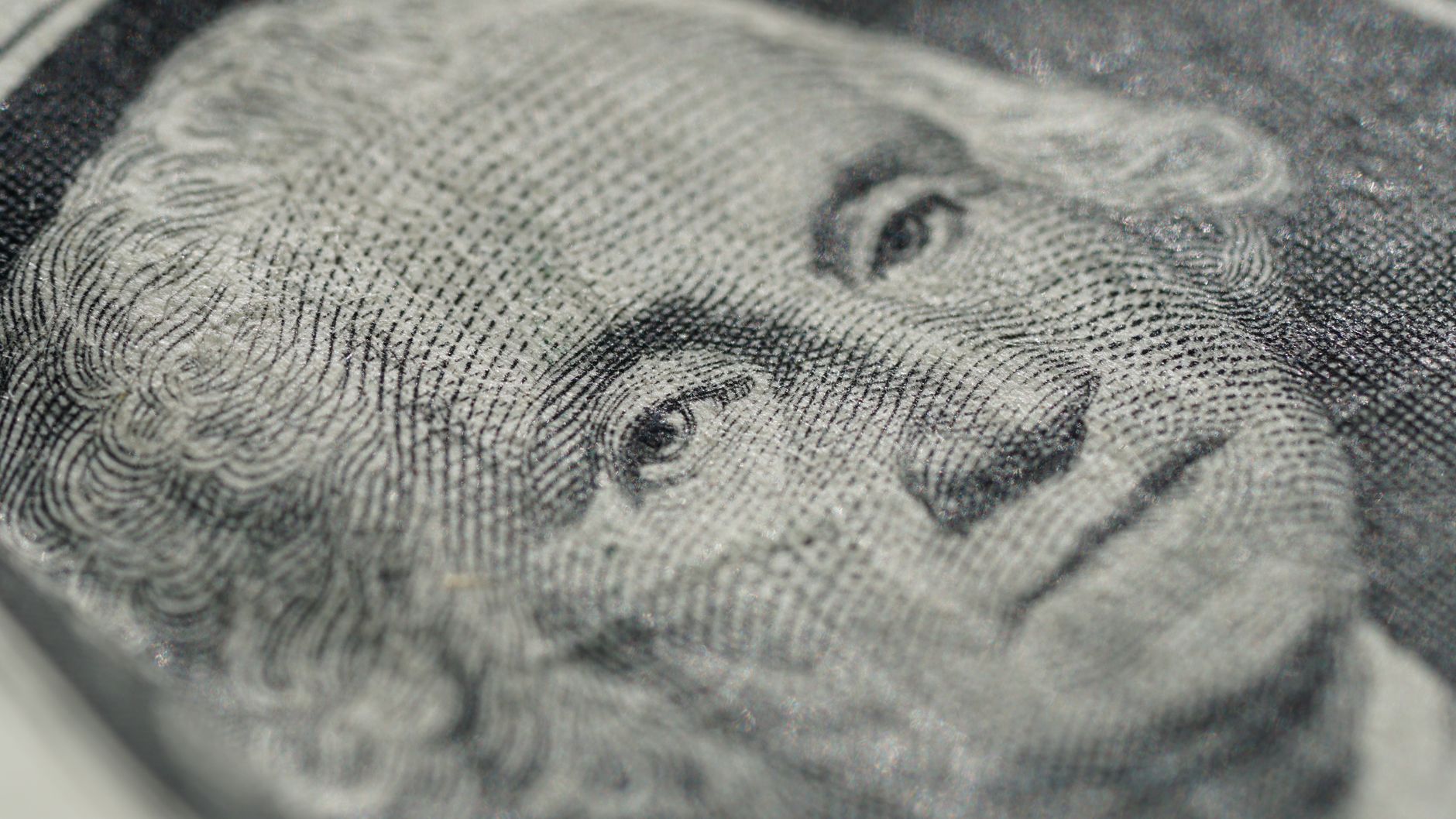
Inflation is the rate at which money loses purchasing power. If inflation is 4 percent over a year, a basket of goods that cost 100 now costs 104, and the note in your pocket buys less than it did.
Note what that definition does not say. It is not "prices going up". One product getting more expensive is a price change. Inflation is the general level of prices drifting upward across the whole economy at once, which is a different phenomenon with different causes.
How it is measured
Statisticians assemble a basket: a list of several hundred goods and services meant to represent what a typical household actually buys, each weighted by how much of the budget it takes. Rent counts for far more than paperclips.
They price that same basket every month. The percentage change over twelve months is the headline inflation figure. In most countries this is the Consumer Price Index.
Two things follow. First, the number describes an average household that may not resemble you: if you do not drive, a fuel spike does not affect you the way the index says. Second, the basket has to be revised as habits change, and those revisions are a genuine source of argument. The price of a coffee is the intuitive version most people carry around, which is part of why the identical café on every high street is such a legible economic object.
What actually causes it
Three mechanisms, usually tangled together.
Demand outruns supply. People collectively want to buy more than the economy can produce. Sellers raise prices because they can. This is the version that follows stimulus, cheap credit, or a burst of post-crisis spending.
Costs rise and get passed on. Energy, shipping, raw materials, wages. A business facing higher input costs either absorbs them or charges more, and mostly it charges more. This is why an oil shock shows up in the price of things that have nothing to do with oil.
Everyone expects it. This one is self-fulfilling and underrated. If firms expect 5 percent inflation they price for 5 percent, and workers bargain for 5 percent, and the expectation produces the outcome. Central bankers talk constantly about "anchoring expectations" because this loop is the hardest one to break once it starts.
Why a little is the target
Most central banks aim for about 2 percent a year rather than zero, which sounds like choosing to make people poorer. The reasoning is worth following.
At zero inflation, any slowdown pushes the economy into falling prices, and falling prices are worse. If things will be cheaper next month, purchases get postponed, which reduces demand, which lowers prices further. Japan spent much of the 1990s and 2000s dealing with exactly this.
Mild inflation also lets real wages adjust without anyone's pay being cut. Firms find it very hard to reduce a salary in cash terms; holding it flat while prices rise 2 percent achieves the same thing quietly. Economists call this the grease in the labour market, and it is a slightly uncomfortable argument once you notice who it is being greased at the expense of.
Two percent is not a natural constant. It is a deliberately chosen buffer, far enough from zero to avoid falling prices and low enough that people can ignore it.
The words people mix up
| Term | Meaning |
|---|---|
| Inflation | Prices rising |
| Disinflation | Prices still rising, but more slowly. Not a fall. |
| Deflation | Prices actually falling |
| Hyperinflation | Prices rising so fast money stops working as money |
| Stagflation | High inflation with a stagnant economy, the awkward combination |
The distinction between disinflation and deflation causes more confusion than any other pairing in economics. When inflation falls from 9 percent to 3 percent, prices have not come down. They are still going up, just less steeply, and the gap between that fact and how it feels in a shop explains a lot of political weather. A falling inflation rate is also not the same thing as a recession, though the two often arrive together.
What it does to wages, and who loses
The only thing that matters for your living standard is whether your pay rises faster than prices. Pay up 3 percent with inflation at 5 percent is a pay cut of 2 percent in real terms, however it reads on the payslip.
Inflation is also a redistribution, and not a random one. It quietly erases the value of savings held in cash, and quietly erases the value of debts, which means it moves wealth from savers to borrowers. Governments are usually the largest borrowers in the country.
People on fixed incomes lose most, because their income is fixed by definition. People whose wages are set in an annual negotiation lose for a while. People who own property or shares often come out ahead, because the price of the asset moves with everything else. The people who feel it first are those for whom food, energy and rent make up most of the budget, and those are the same items that a service worker's tipped income is meant to cover.
The short answer
Inflation is money getting weaker. A small, steady, predictable amount is the deliberate policy of nearly every central bank. What people object to is not the concept but the moment when it stops being small, steady or predictable, at which point it stops being a background condition and becomes the main thing happening.