The house byline for Explainly. Explainers under it are drafted with the help of a large language model and edited in-house, and the launch set has not yet been checked line by line against primary sources. The editorial policy sets out the standard we are working towards, where this archive currently falls short of it, and how corrections are handled. Corrections are the most welcome message this site receives.
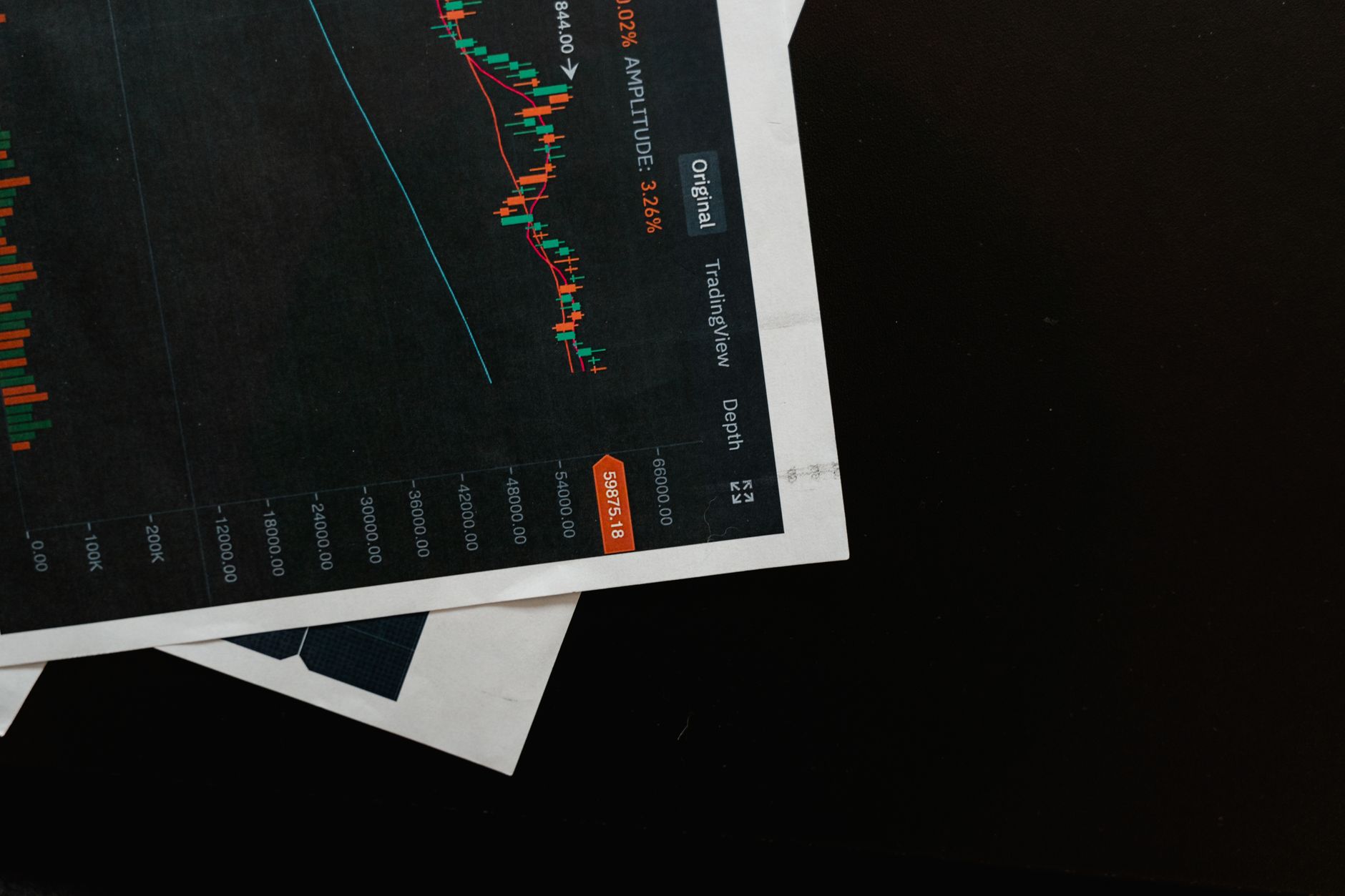
A recession is a significant, widespread decline in economic activity lasting more than a few months. The two-quarters rule is a rule of thumb, not the official definition, and a committee decides after the fact.
Four business models cover almost every free app: advertising, in-app purchases, subscriptions and data. Knowing which one you are inside explains most of how the app behaves.
The joke is old and the reason is specific: fusion needs conditions that only exist inside stars, and building them on Earth costs more energy than the reaction has so far returned.
A vaccine shows your immune system a harmless preview of a pathogen so it can build a memory of it in advance. The training is real; only the threat is fake.
Sunlight contains every colour. Air scatters the short blue wavelengths far more strongly than the long red ones, so blue arrives at your eyes from every direction at once.
Brain rot names the mental flatness that follows hours of scrolling low-effort content. It describes a real feeling accurately, and it is not a diagnosis of anything happening to your brain.
Gaslighting is sustained manipulation aimed at making someone doubt their own memory or perception. The word now gets used for ordinary disagreement, which has blurred something worth keeping precise.
IYKYK stands for "if you know, you know". It marks something as an in-joke and declines to explain it, which is the entire point rather than a side effect.
A carbon footprint is the total greenhouse gas released by an activity, converted into an equivalent weight of carbon dioxide so different gases can be added together.
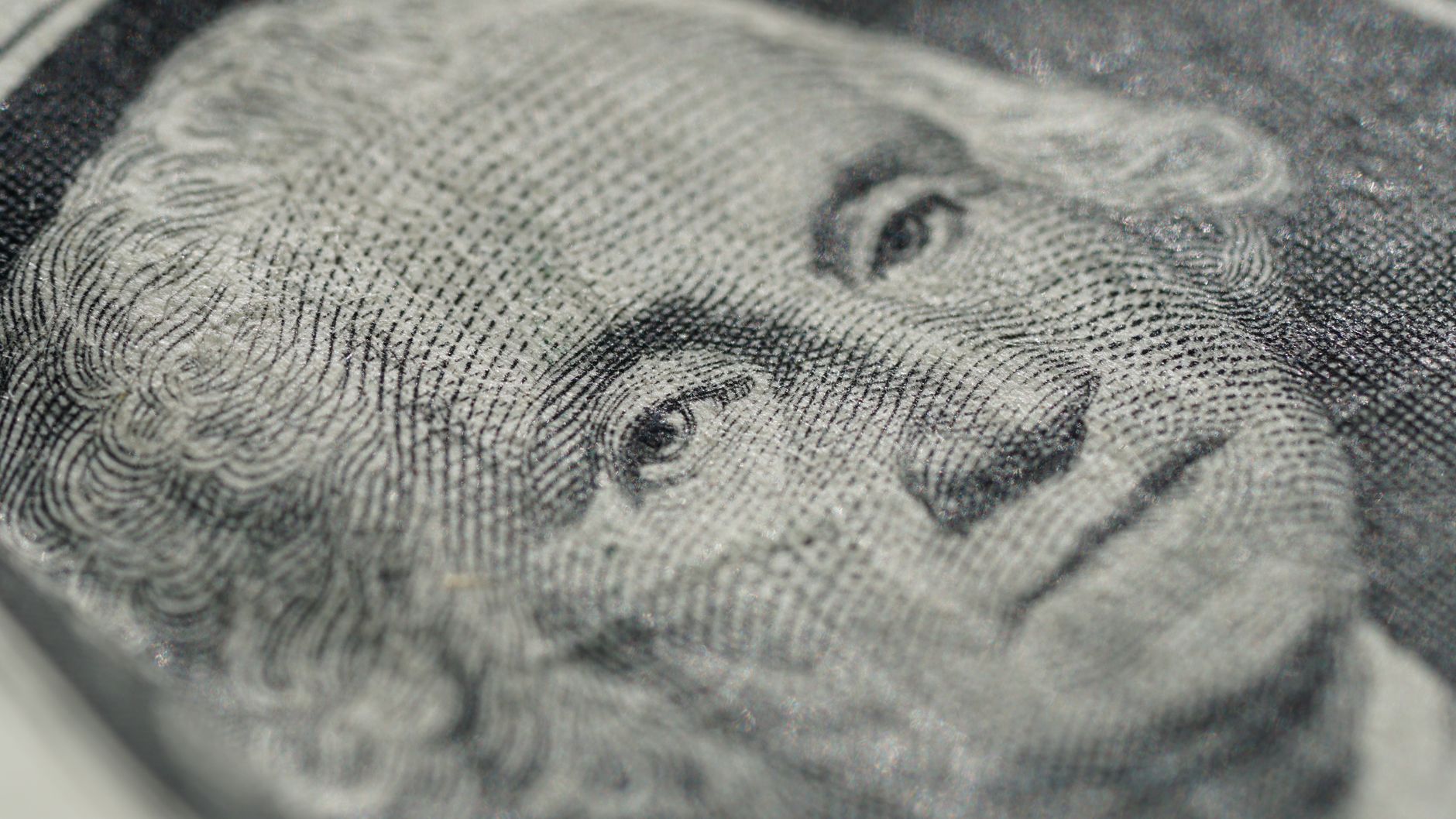
Inflation is money losing purchasing power over time. The same note buys less than it did. The interesting question is not what it is but why economists want a little of it rather than none.